Research Use Only (RUO): Understanding the Laboratory Classification

September 15, 2026
Research Use Only (RUO): Understanding the Laboratory Classification

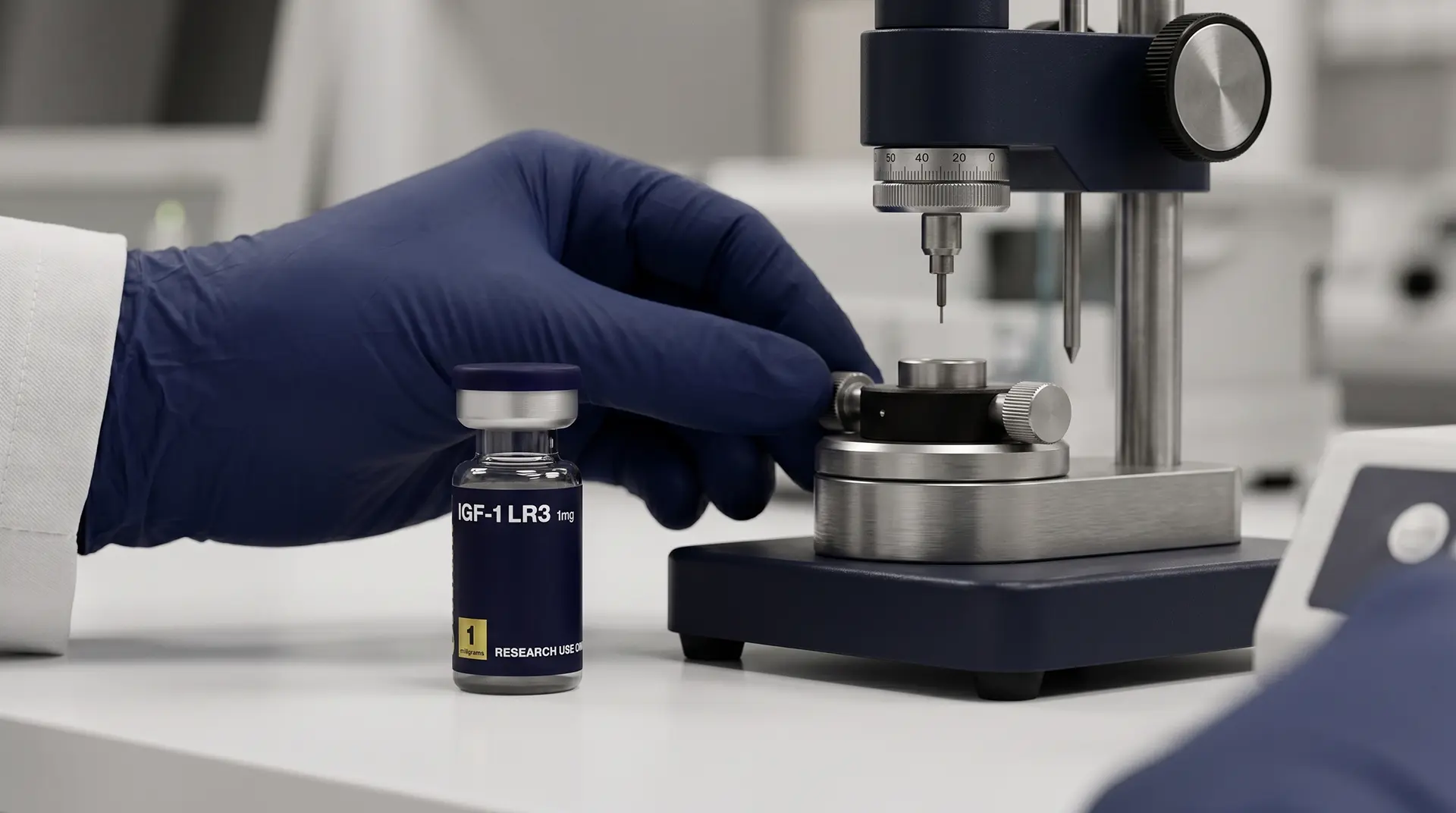
If you've looked at research compounds, you've seen the label Research Use Only (RUO). It's a classification that defines how a material can be used, handled, and documented — and it matters for anything studied in a lab, including research peptides.

What does Research Use Only mean?

RUO materials are intended strictly for laboratory research. They are not approved for human or veterinary use, not intended for diagnostic or therapeutic applications, and designed only for controlled scientific study.

Why the classification exists

  • To keep use within controlled laboratory environments.
  • To restrict application to scientific investigation.
  • To ensure oversight through institutional and safety protocols.

Key characteristics of RUO materials

  • Intended for in-vitro or preclinical research.
  • Supplied with analytical documentation such as COAs.
  • Not evaluated for human or animal safety outside a research context.
  • Require proper handling and storage.

The role of analytical testing

HPLC testing and Certificates of Analysis support RUO compliance by verifying identity, purity, batch consistency, and traceability — the paper trail that keeps research credible.

Documentation that supports compliance

  • Certificates of Analysis (COAs).
  • Batch and lot records.
  • Storage-condition logs.
  • Records of experimental use.

Common misunderstandings

  • RUO describes intended use, not a safety rating.
  • High purity does not permit non-laboratory use.
  • RUO is a standing regulatory designation, not a temporary label.

This article is for general educational purposes only and is not medical, health, or professional advice.

Related reading: HPLC Testing & Certificates of Analysis · What Are Peptides? · Multi-Compound Research